










Executive Overview
For decades, an invisible arms race has been quietly reshaping American roadways, turning everyday transportation into an escalating hazard for the most vulnerable road users. A growing body of investigative journalism, federal research, and independent safety data has brought a sobering reality to light: the modern dominance of massive pickup trucks and large Sport Utility Vehicles (SUVs) is directly responsible for a severe, preventable surge in pedestrian fatalities across the United States.
Recent high-profile exposés, most notably by The New York Times, underscore that these outsized passenger vehicles are responsible for hundreds of extra, unnecessary deaths annually. Yet, the crisis is far from a sudden development. Decades of data compiled by regulatory bodies, independent safety watchdogs, and investigative journalists confirm that transportation agencies have long understood the lethal geometry of high hoods, blunt-force grilles, and elevated vehicle weight.
While political polarization often reduces the debate over vehicle size to a false binary—pitting the complete prohibition of utility vehicles against absolute deregulation—practical solutions are well within reach. This article examines the historical trajectory of the pedestrian safety crisis, evaluates the technical metrics driving the carnage, analyzes official responses from regulatory bodies and industry leaders, and outlines pragmatic, incremental policy reforms required to reclaim American streets for all users.
Detailed Chronology: Decades of Warning Signs and Ignored Data
To understand the current crisis, one must trace the timeline of how automotive design evolved away from human safety and how regulators repeatedly failed to act on early warnings.
The 1990s: The Dawn of the Light Truck Era
As the 20th century drew to a close, automotive manufacturers began shifting their marketing and production priorities away from traditional sedans and station wagons toward light trucks and early-generation SUVs. During this pivotal decade, safety researchers and forensic crash analysts began noticing a disturbing trend: collisions involving high-riding light trucks frequently resulted in significantly more severe injuries to pedestrians and cyclists than collisions with lower-profile passenger cars. However, these early alarms were largely drowned out by booming consumer demand for rugged, imposing vehicles marketed as symbols of safety and adventure.
2015: The NHTSA Research Review
By the mid-2010s, empirical data began catching up with anecdotal observations. In 2015, the National Highway Traffic Safety Administration (NHTSA) published a comprehensive research review investigating the correlation between vehicle front-end geometry and pedestrian mortality. The federal study confirmed that individuals struck by vehicles with higher, more vertical front profiles faced a drastically elevated risk of fatal trauma compared to those struck by conventional passenger cars. Despite generating internal concern, the findings did not immediately translate into mandatory design regulations or consumer-facing safety ratings.
The Mid-2010s to 2018: Investigative Journalism Steps In
As federal action stalled, independent journalists stepped into the void. Notably, a sweeping, rigorous investigation by the Detroit Free Press in 2018 deployed reporters directly to auto dealerships to physically measure vehicle grille heights and hood profiles. By bypassing variable factors like tire pressure and suspension adjustments, the Free Press investigation provided undeniable empirical proof that consumer trucks and SUVs were growing taller, heavier, and substantially more lethal. Around the same period, transportation advocates and authors began publishing comprehensive deep-dives—such as Angie Schmitt’s 2018 book Right of Way—documenting how infrastructure design, regulatory loopholes, and vehicle manufacturing trends were converging to create a hostile environment for pedestrians.
Recent Developments: The Consumer Reports Breakthrough and the 2026 Exposé
For years, a major barrier to quantifying the danger was a lack of standardized data regarding vehicle hood and grille heights. Manufacturers were not required to report these dimensions as consumer safety features. The paradigm shifted when Consumer Reports undertook the massive independent project of cataloging hood heights across the modern vehicle fleet. This dataset empowered The New York Times to publish a landmark interactive exposé in 2026, linking vehicle height directly to hundreds of excess annual deaths. Shortly thereafter, NHTSA unveiled its first-ever pedestrian safety test results—a long-overdue acknowledgment of a crisis decades in the making.
Supporting Context & Metrics: The Physics of Lethal Design
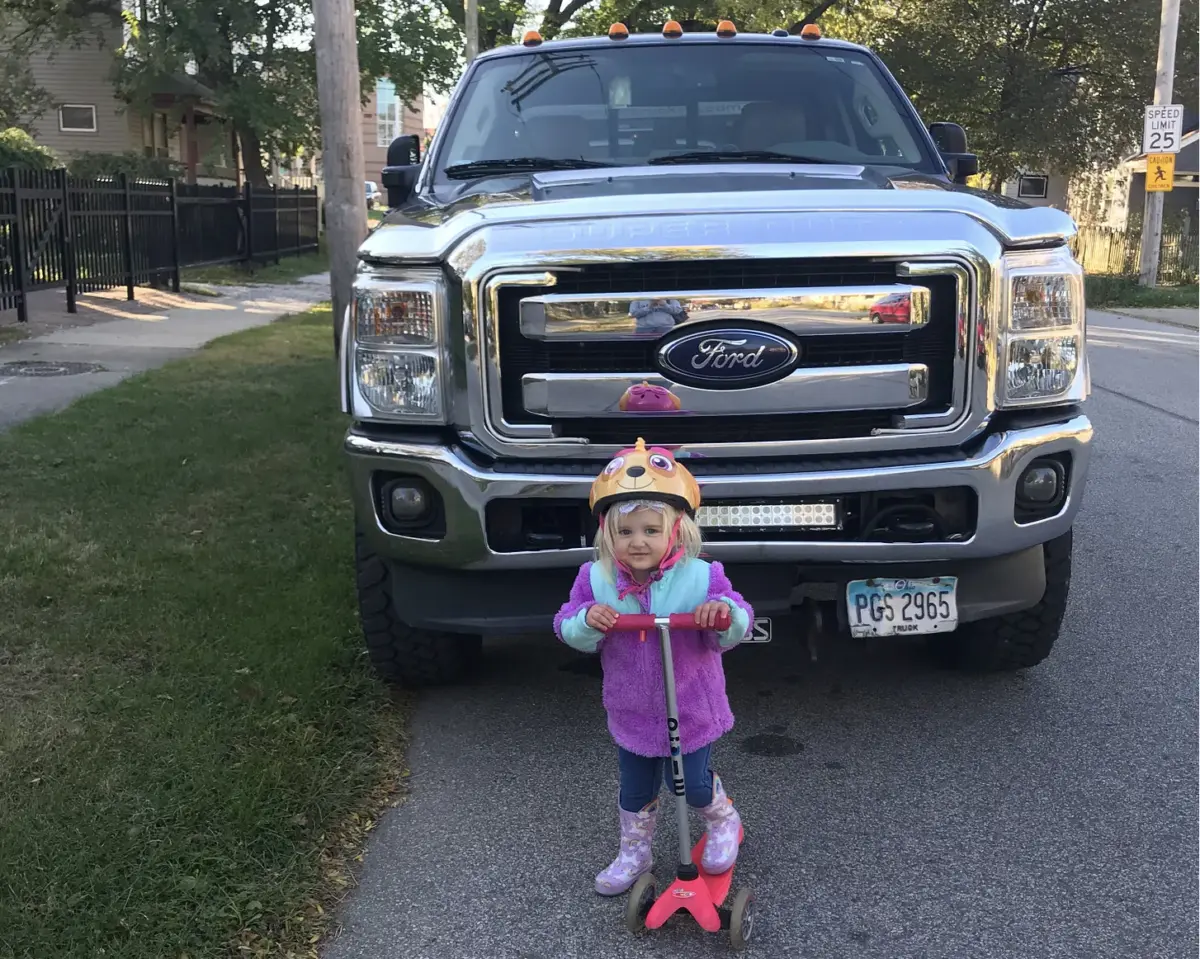
The mechanical factors driving the pedestrian safety crisis are grounded in basic physics: mass, momentum, and impact geometry. Modern consumer trucks and large SUVs frequently feature hood and grille heights ranging from 50 to 55 inches off the ground. For context, this is high enough to completely obscure an average elementary school student or an adult wheelchair user standing directly in front of the vehicle.
The Danger Zone: High-Angle Impacts versus Low-Profile Collisions
When a traditional passenger car strikes a pedestrian, the point of impact is typically below the individual’s center of gravity. This design encourages the pedestrian to roll upward onto the hood and windshield, spreading the kinetic energy of the collision across a broader surface area and reducing the likelihood of catastrophic internal trauma.
Conversely, high-clearance pickup trucks and SUVs strike pedestrians squarely at the chest or pelvic level. Instead of being deflected upward, the victim is driven forcefully downward and forward under the wheels. This primary impact mechanism drastically increases the incidence of severe head, neck, and torso injuries. According to studies conducted by the Insurance Institute for Highway Safety (IIHS), vehicles featuring blunt, vertical front ends are up to 45 percent more lethal to pedestrians than sloped, low-profile vehicles of equivalent weight.
The Proliferation of After-Market Modifications
Compounding the inherent dangers of factory-standard trucks is the widespread availability and cultural acceptance of after-market vehicle modifications. Millions of motorists routinely purchase and install lift kits that elevate chassis heights even further, compounding forward blind zones and creating unprecedented visibility hazards.
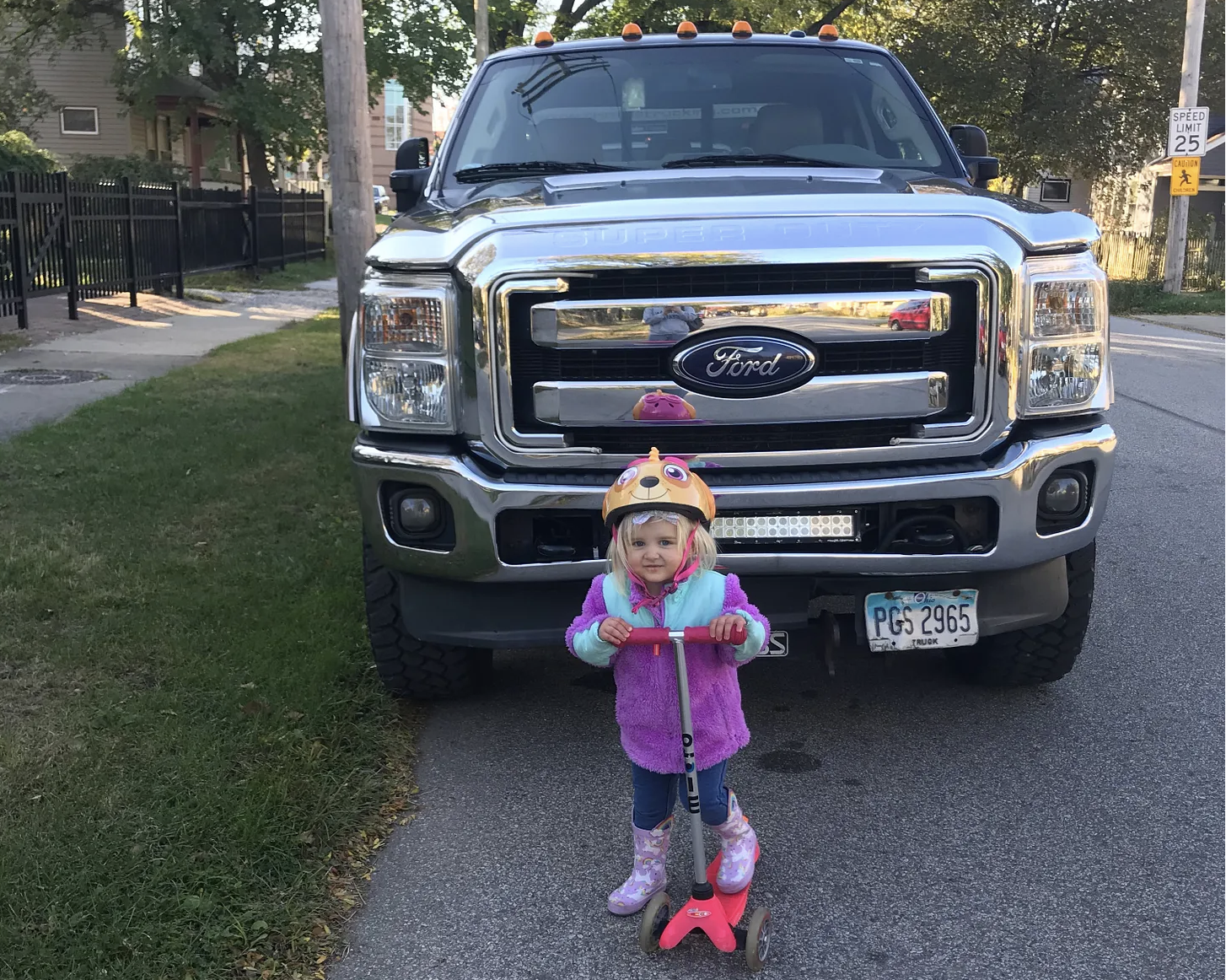
Furthermore, the installation of rigid steel "bull bars" or heavy-duty grille guards eliminates the structural crumple zones engineered into modern automobile frames. Originally designed to protect vehicle front-ends from minor collisions or animal strikes, these aftermarket metal additions act as battering rams during pedestrian impacts. While jurisdictions in the United Kingdom and other parts of Europe have enacted strict bans or heavy regulations on bull bars due to their extreme hazard to vulnerable road users, American enforcement remains exceptionally lax. Beyond pedestrian safety, raising a vehicle’s center of gravity severely compromises its handling dynamics, dramatically increasing the risk of rollover crashes that threaten the drivers themselves.
Official Statements and Industry Reactions
The pedestrian safety crisis has increasingly forced policymakers, automotive executives, and federal agencies to publicly address an issue that was long marginalized as an unfortunate byproduct of consumer preference.
Federal Regulatory Action and Half-Measures
The recent unveiling by NHTSA of its inaugural pedestrian safety test results marks a historic, if modest, turning point. For the first time, a federal agency has established a formal mechanism to rank vehicles based on how safely they treat individuals outside the cabin.
However, safety advocates have heavily criticized the implementation of these ratings. Rather than integrating pedestrian safety into the universally recognized "five-star" crash-test rating system—a standard practice in European and Asian safety frameworks—NHTSA established a separate, auxiliary category. Crucially, these new pedestrian safety scores will not appear on the Monroney window stickers affixed to vehicles at dealerships; instead, they are relegated to an online database. Industry analysts suggest this bureaucratic workaround was designed to placate powerful domestic automakers, particularly General Motors and other legacy manufacturers heavily dependent on lucrative truck and SUV sales.
Industry Concessions and Leadership Commentary
Public pressure has also elicited rare acknowledgements from political and corporate figures. High-profile political figures, including Donald Trump, along with industry leaders like GM CEO Mary Barra, have occasionally weighed in on the societal impacts of vehicle sizing. Yet, meaningful corporate self-regulation remains rare. Automotive manufacturers routinely resist design changes that soften front-end geometry, arguing that a vehicle’s imposing "face" and aggressive stance are central to consumer brand loyalty and market competitiveness.
Municipal transportation agencies and public safety departments have similarly faced internal contradictions. Despite adopting "Vision Zero" frameworks—municipal policies explicitly designed to eliminate traffic fatalities—countless cities continue to outfit their police and public works fleets with heavy-duty pickup trucks and modified patrol vehicles equipped with intimidating military-style push bumpers.
Future Outlook: Practical Half-Measures for a Safer Future
While banning large pickup trucks entirely remains a political nonstarter in the United States, acknowledging the severity of the crisis does not require accepting fatalism. A series of pragmatic, low-cost policy reforms can dramatically minimize the lethality of modern consumer vehicles without disrupting the livelihoods of tradespeople, contractors, and utility workers who genuinely rely on heavy-duty utility vehicles.
1. Rigorous Regulation of After-Market Modifications
Regulating the aftermarket accessory industry represents immediate, low-hanging fruit for public safety. State and federal frameworks should restrict the sale and installation of aftermarket lift kits that elevate factory blind zones beyond safe thresholds, alongside an outright prohibition on pedestrian-hostile accessories like rigid steel bull bars. Furthermore, municipal governments must lead by example, prohibiting tax-funded public fleets—including police cruisers and park maintenance vehicles—from utilizing unapproved cosmetic modifications that escalate public liability and pedestrian trauma.
2. Mandating Front-Vision Technology and Grille Height Standards
If federal regulators are currently unwilling to force major domestic automakers to redesign the boxy, towering grilles characteristic of modern best-selling trucks, structural alternatives must be enforced. Regulatory bodies should mandate the inclusion of wide-angle front-facing cameras and low-speed proximity sensors on all light trucks and large SUVs to eliminate the catastrophic forward blind zone. Additionally, adopting direct-vision standards—ensuring drivers can physically perceive objects and individuals immediately in front of their bumper—would align American standards with forward-thinking international guidelines.
3. Re-evaluating Public Fleet Procurements
Public agencies must apply rigorous scrutiny to vehicle procurement processes. Rather than defaulting to oversized pickup trucks or heavy SUVs for administrative or routine municipal duties, procurement officers should prioritize right-sized alternatives, including compact utility vehicles, electric delivery vans, or specialized micro-utility vehicles. Ensuring that heavy-duty acquisitions are strictly limited to verified operational needs—such as heavy towing or construction—will reduce municipal fiscal waste, lower fleet emissions, and enhance urban safety.
Conclusion
The rising toll of pedestrian fatalities across America is not an inevitable consequence of modern mobility; it is the result of specific design choices, regulatory oversights, and cultural normalization of excessive vehicle mass. While the path toward safer streets requires political courage and institutional reform, the tools to reverse the crisis are readily available. By embracing modest, common-sense regulatory half-measures—from reigning in dangerous aftermarket modifications to enforcing basic visibility standards—the United States can finally bridge the gap between automotive convenience and the fundamental right of every citizen to safely navigate public space.