








Executive Overview
The global superyacht charter market has long been obsessed with the pristine smell of freshly laid teak and the unblemished sheen of new metal rolling out of elite European shipyards. However, the recent boat show season has underscored a seismic shift in consumer psychology. Seasoned charter brokers, elite yacht managers, and experienced globetrotting clients are increasingly bypassing the frantic race for the newest launch. Instead, they are championing meticulously maintained and expertly refitted classic vessels.
This growing preference for established charter yachts is not merely a nostalgic nod to the past; it is a calculated decision rooted in superior engineering, extraordinary onboard volume, exceptional crew longevity, and unbeatable economic value. Across major international exhibitions, some of the most admired yachts on display were not fresh from the construction shed, but proven hulls elevated through multi-million-dollar refits. This trend has become so pronounced that leading yachting accolades have introduced dedicated refit categories, celebrating the enduring craftsmanship, structural longevity, and timeless quality that these historic vessels continue to embody.
Detailed Chronology: The Evolution of the Classic Refit Market
To understand the renaissance of established superyachts, one must look at how the maritime construction and refit landscape has evolved over the past several decades.
The Golden Era of Heavy Engineering (1940s–1990s)
Yachts built 15, 20, 30, or even 80 years ago stem from an entirely different manufacturing paradigm. Constructed during eras when construction budgets often prioritized sheer structural integrity over rapid production cycles, these vessels were engineered to weather the world’s most punishing oceans.
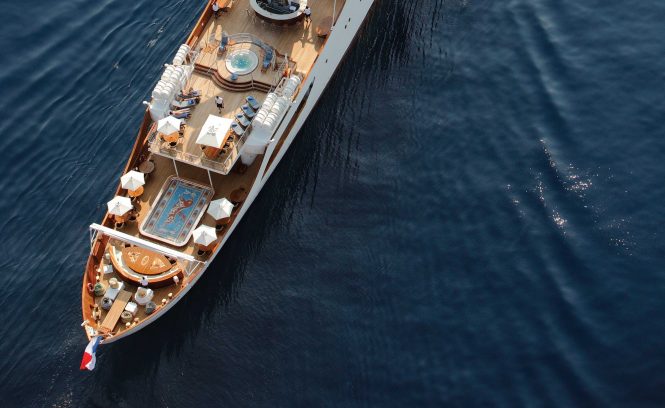
- 1943: The construction of the legendary 99-meter CHRISTINA O by Canadian Vickers set an early benchmark. Originally a World War II frigate, her subsequent conversion and stewardship under the Onassis dynasty turned her into a floating palace that hosted global elites.
- 1963: French shipyard Chantiers Navals De Lesterel delivered the hull that would eventually become the 32-meter TEMPEST WS, built originally as a high-performance patrol boat before its eventual luxury metamorphosis.
- 1992–1997: The delivery of pedigree Dutch builds like Heesen’s 38-meter MAGIX (1992) and Palmer Johnson’s 43-meter LADY J (1997) proved that mid-to-late-20th-century naval architecture could combine high-speed capabilities with immense interior volume.
The Modern Refit Revolution (2000s–Present)
As technological advancements accelerated, the superyacht industry faced a dilemma: scrap older hulls or completely reinvent them. Owners began pouring unprecedented capital into deep refits, stripping older vessels down to their bare metal frames and outfitting them with the latest environmental, mechanical, and lifestyle technologies.
Landmark projects reshaped the perception of older tonnage:
- The CHRISTINA O Rebuilds: Following comprehensive rebuilds in the early 2000s and a major modernization in 2022, she proved that iconic heritage could seamlessly coexist with contemporary luxury.
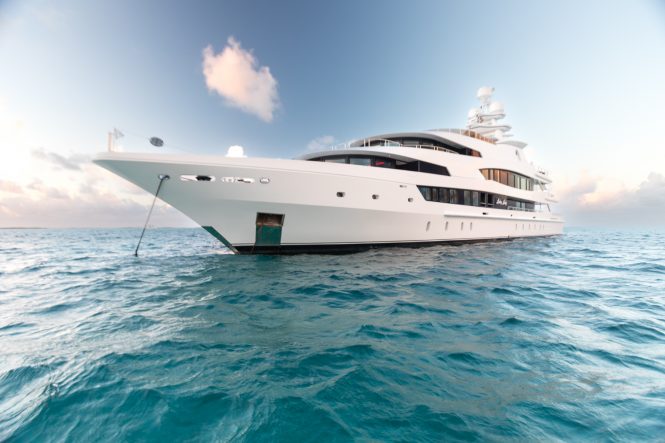
- The Rise of Award-Winning Refits: Modern showcases now frequently spotlight vessels like the 43-meter TALIA (led by Greece’s sole female charter captain and nominated in the World Superyacht Awards) and the 54-meter SOJO (formerly Blue Narwhal), proving that classic lines can house state-of-the-art beach clubs and interior layouts that rival new-builds.
Supporting Context & Metrics: The Undeniable Advantages of Proven Tonnage
When evaluating a charter vacation, discerning clients are increasingly looking past the launch year to weigh metrics that genuinely impact life at sea. Established yachts hold several clear structural and operational advantages over their newly minted counterparts.

1. Volume-to-Price Ratio and Exceptional Value
One of the most compelling economic arguments for chartering a mature yacht is the value proposition. Modern superyacht design trends often prioritize sleek, minimalist exteriors that can compromise interior volume. In contrast, older yachts frequently boast generous proportions, wider beams, and expansive ceiling heights.
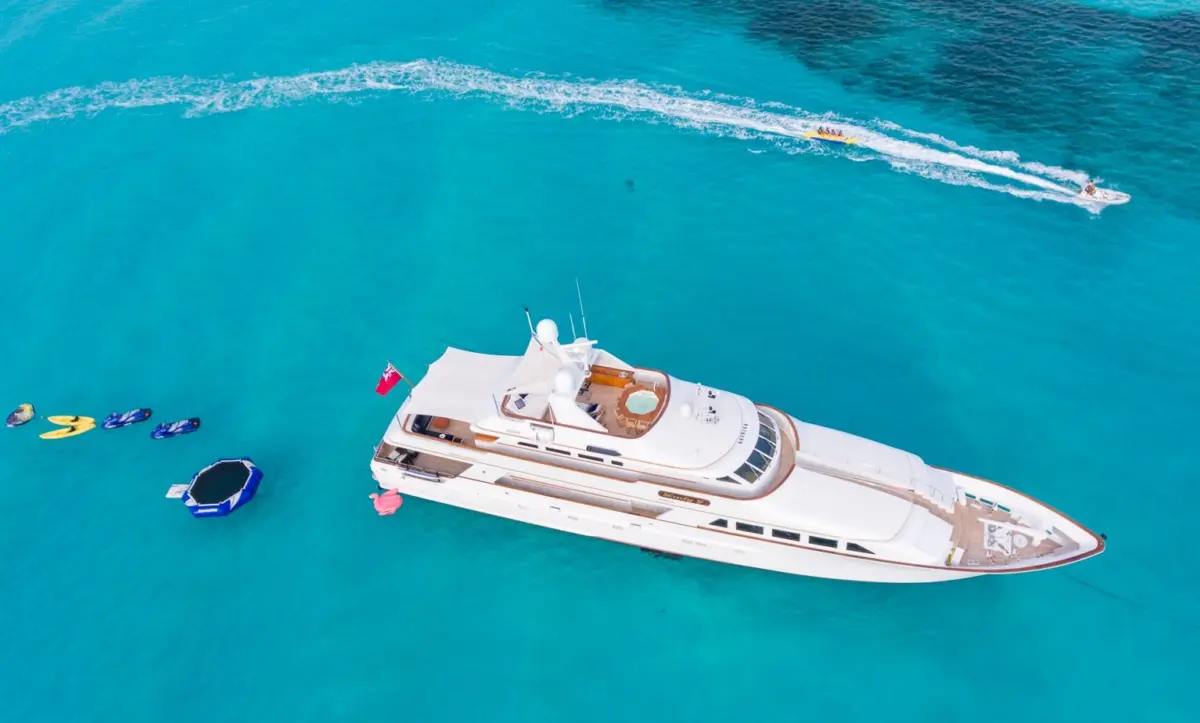
Guests chartering a well-maintained 20-year-old vessel often enjoy significantly more square footage, larger deck spaces, and extensive water toy inventories for a substantially lower charter fee than a brand-new vessel of equivalent length. This allows families and large groups to access luxury amenities—such as onboard jacuzzis, dedicated wellness areas, and expansive sun decks—without paying the steep premium associated with factory-fresh deliveries.
2. Character and Soul That Cannot Be Manufactured
In an era where many modern superyachts suffer from a homogenized, "floating luxury hotel" aesthetic, classic and established yachts ooze personality.
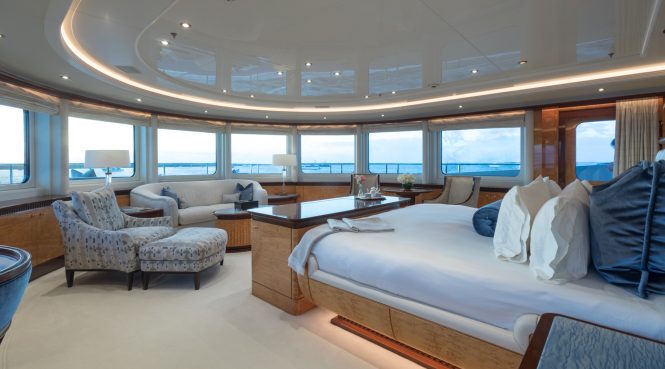
- Rich, handcrafted hardwoods.
- Distinctive architectural silhouettes that turn heads in exclusive Mediterranean or Caribbean anchorages.
- Fascinating provenance, such as historical ties to royalty, industrial dynasties, or maritime history.
Vessels like TEMPEST WS—which preserves 1960s stylistic flair alongside high-tech amenities—offer an authentic narrative that newer hulls simply cannot replicate overnight.
3. Crew Longevity and Operational Harmony
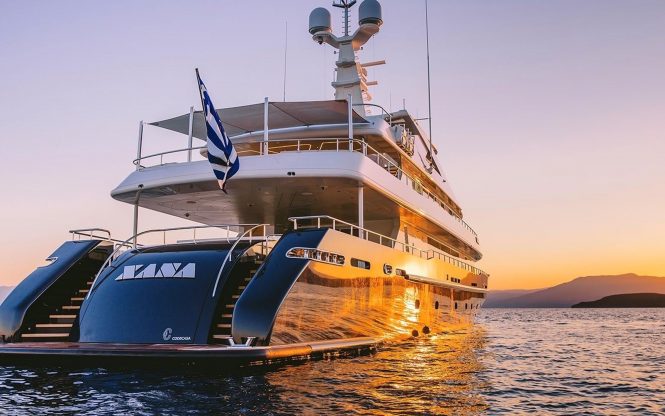
Perhaps the most overlooked asset of an established charter yacht is its crew stability. Newer yachts frequently suffer from high crew turnover as management teams experiment with staffing configurations. Conversely, seasoned charter yachts often boast captains and chief stews who have remained onboard for a decade or more.
[Established Yacht]
   ├── Deep Institutional Knowledge of Vessel Systems
   ├── Intimate Familiarity with Hidden Anchorages & Local Customs
   └── Seamless Operational Synergy (Zero Learning Curve)
        └── Result: Flawless, Invisible Hospitality for Guests
This operational harmony translates into an invisible, effortless standard of hospitality. Long-standing captains bring invaluable destination insights, mapping out bespoke itineraries that avoid crowded tourist traps and leverage decades of localized cruising experience.
Official Statements and Industry Insights
Industry leaders intimately familiar with the high-end charter market emphasize that writing off a yacht simply because of its age is a costly mistake for travelers seeking the ultimate holiday.
Charter Manager LJ Houghting, who oversees a prestigious fleet of superyachts, provides vital perspective on how these vessels perform in the modern landscape:
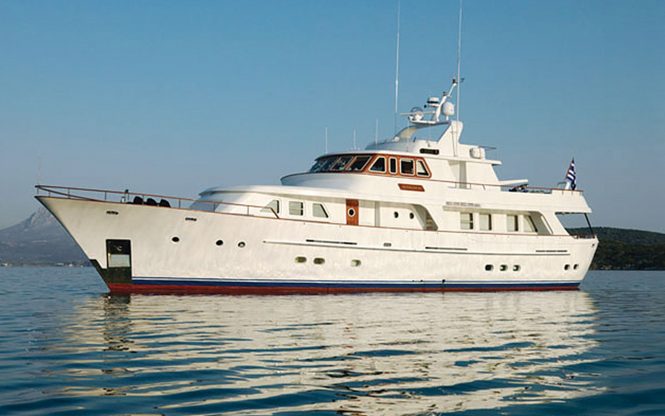
"Often, a yacht’s launch year bears little resemblance to the sophistication of her interiors or the modern comforts she offers today. Many of these beautifully seasoned vessels have been continuously refined over the years, blending timeless craftsmanship with contemporary amenities such as Starlink connectivity and state-of-the-art upgrades.
What people sometimes overlook is the extraordinary passion their owners have for preserving these classics—investing in them not simply out of necessity, but out of genuine love and admiration for the vessel herself. You can truly feel that devotion the moment you step aboard yachts like the 42m LADY J and the 62m LUCKY LADY."
Echoing this sentiment, seasoned charter guests frequently note the stark contrast between sterile new builds and warm, welcoming classic hulls. As one returning guest remarked:
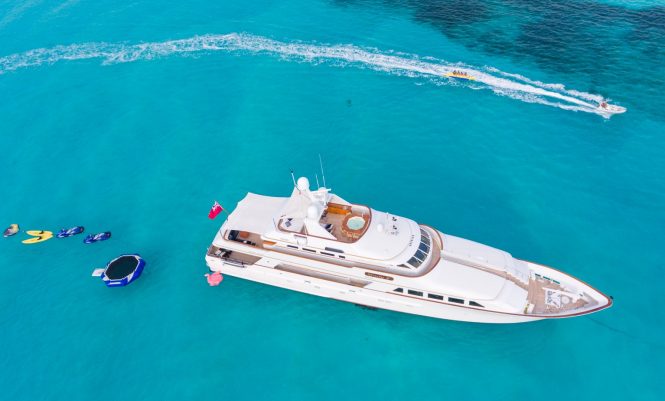
"Many charterers who exclude yachts that are over 20 years old miss the opportunity to stay on the most delightful, comfortable, well-appointed, luxurious pleasure craft."
Future Outlook: The Maturation of the Refit Economy
As environmental consciousness increasingly permeates the ultra-high-net-worth sector, the concept of sustainability is reshaping yachting preferences. Building a brand-new, custom 60-meter steel-and-aluminum superyacht carries a massive carbon footprint. By contrast, investing in the deep refit and continuous maintenance of an existing hull is inherently more resource-efficient.
Looking ahead, the market trajectory points toward a sustained boom for the refit sector. Shipyards in Northern Europe, Italy, and the US are expanding their refit sheds to accommodate the surging demand from owners eager to modernize classic platforms with hybrid propulsion systems, advanced wastewater treatments, and cutting-edge digital connectivity.
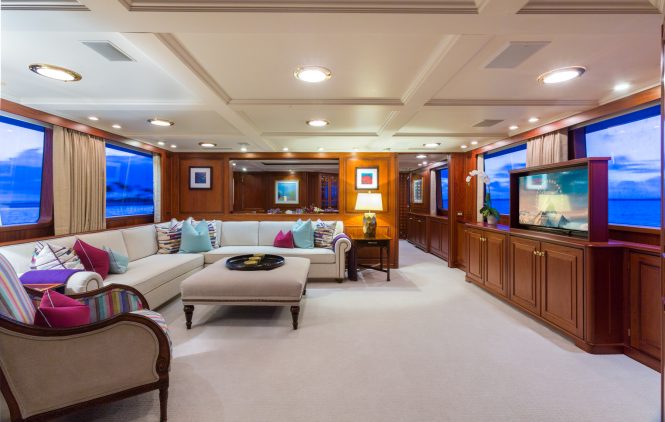
For the charter client of tomorrow, this means the gap between "old" and "new" will continue to narrow functionally while widening aesthetically in favor of character-rich classics. Whether it is enjoying a newly updated stabilization system on a 1990s Heesen, relaxing by the mosaic-floored historic pool of the CHRISTINA O, or diving off the expansive swim platform of a meticulously serviced Palmer Johnson classic, the message from the docks is clear.
True maritime luxury is not about when a yacht was built; it is about how she has been cared for, who steers her course, and the indelible memories she creates for those fortunate enough to step across her gangway.