









Executive Overview
When travelers and urban dwellers picture Minneapolis, Minnesota, the imagery that typically comes to mind is one of a bustling, cosmopolitan metropolis. Characterized by a skyline of gleaming glass skyscrapers, sprawling urban infrastructure, and a vibrant cultural arts scene, the state’s largest city is frequently celebrated as one of the happiest places in the world. Earning its monikers as the "City of Lakes," Minneapolis seamlessly integrates twenty-two natural bodies of water directly into its urban grid, achieving a rare equilibrium between high-density city living and accessible outdoor recreation.
Yet, for all its metropolitan appeal, the frantic pace of the urban core can occasionally necessitate a retreat. Fortunately, within a radius of less than two hours from downtown Minneapolis lies a collection of historic, culturally rich small towns and cities. These communities offer a profound counter-narrative to the urban sprawl: picturesque natural landscapes, fiercely preserved architectural heritage, deeply rooted immigrant histories, and close-knit local economies driven by independent businesses.
This regional analysis explores ten distinct small towns and cities within driving distance of Minneapolis—Taylors Falls, New Ulm, Stillwater, Marine on St. Croix, Red Wing, New Prague, Northfield, Jordan, Lindström, and Afton. Each destination possesses a distinct cultural and geographical character, offering urban refugees a vital mental reset, opportunities for outdoor exploration, and an immersive encounter with Minnesota’s storied past.

Detailed Chronology & Geographical Profiles of the 10 Destinations
1. Taylors Falls: Geological Marvels Along the St. Croix River
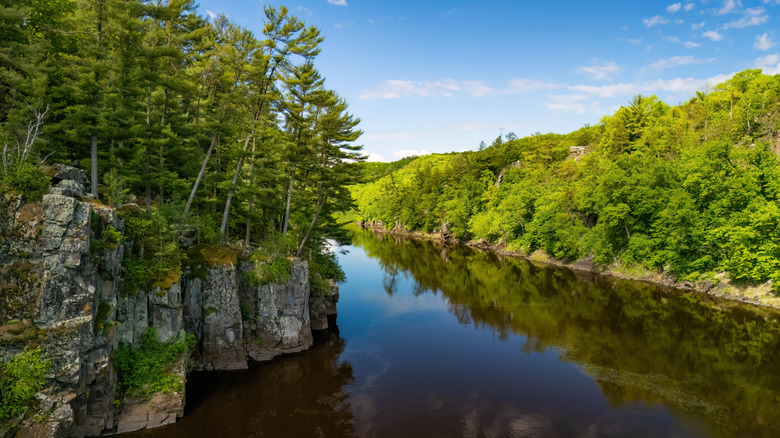
Situated less than an hour northeast of Minneapolis, Taylors Falls is a premier destination for travelers seeking a synthesis of rugged wilderness and historic small-town charm. Perched directly on the banks of the St. Croix River, the town is defined by dramatic cliffs and sweeping river vistas.
The epicenter of its outdoor appeal is Interstate State Park, established to protect a rare concentration of ancient basalt lava flows and geological formations. Visitors traversing the 2.6-mile Walter F. Mondale River Trail and Railroad Trail Loop are treated to panoramic views of the water alongside deep glacial potholes carved thousands of years ago.
Beyond its natural topography, downtown Taylors Falls offers a step back in time. Visitors can peruse specialized antique shops before capping off their day with a quintessential slice of mid-century Americana at The Drive-In Restaurant, a landmark operating in the style of 1950s nostalgia.

2. New Ulm: A European Enclave in the Minnesota River Valley
Located nearly two hours southwest of Minneapolis, New Ulm transports visitors across the Atlantic without requiring a passport. Founded in 1854 by waves of German immigrants, the city proudly preserves its ancestral heritage through its civic architecture, culinary traditions, and public monuments.
The cultural journey begins in the historic downtown district, lined with traditional cafes and specialty shops, and extends upward to Hermann Heights Park, which provides sweeping views of the Minnesota River Valley. A prominent auditory and visual landmark is the town’s 45-foot-tall Glockenspiel, featuring thirty-seven bells that ring out melodic tunes several times daily.
No exploration of New Ulm is complete without visiting August Schell Brewing Company, established in 1860, where visitors can study traditional German brewing heritage and sample authentic regional lagers.
3. Stillwater: The Historic "Birthplace of Minnesota"
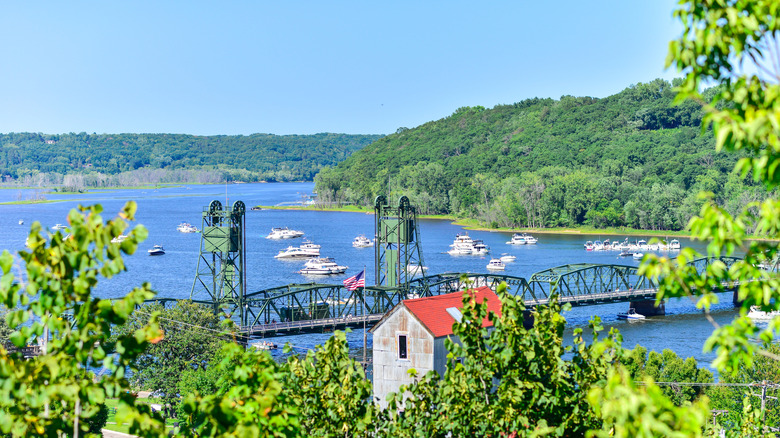
Just a thirty-minute drive east of Minneapolis along the western banks of the St. Croix River lies Stillwater, officially recognized as the "Birthplace of Minnesota." Playing a foundational role in the territorial and early statehood history of the region, Stillwater merges an artsy, modern culinary scene with meticulously preserved nineteenth-century architecture.
The town’s historical weight is reflected in its built environment: out of sixty-eight registered historic buildings, fifty-seven are preserved within the Stillwater Commercial Historic District, featuring brick facades dating back to the mid-to-late 1800s. Spanning the river is the iconic Stillwater Lift Bridge, a marvel of engineering that now serves pedestrians and cyclists, offering uninterrupted vistas of the water. Downtown Stillwater remains a premier destination for collectors and antique hunters, boasting dozens of independent storefronts.
4. Marine on St. Croix: Quiet Elegance and Preservation
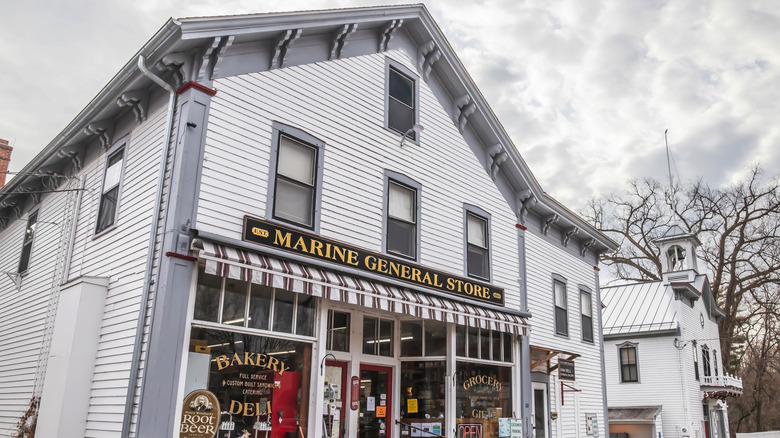
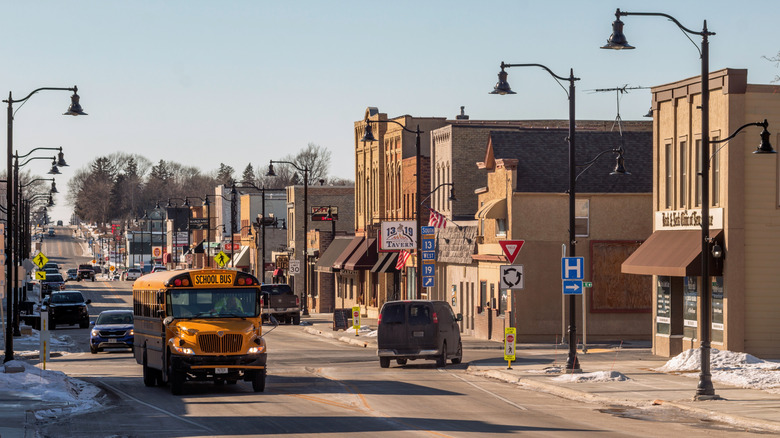
Located approximately forty-five minutes northeast of Minneapolis, Marine on St. Croix is easy to miss for the inattentive motorist, yet impossible to forget once experienced. With a population hovering around seven hundred residents, this riverside enclave prioritizes architectural preservation and quiet community life over commercial expansion.
The town’s anchor is the historic Marine General Store, a white wooden-paneled establishment that has long served as a community hub and provisioning post for weekend picnickers. Visitors can gather provisions and relax in the shade of the riverside gazebo, explore the historic Stone House Museum, or dine at local bistros overlooking the slow-moving waters of the St. Croix River.
5. Red Wing: Mississippi River Vistas and Industrial Heritage
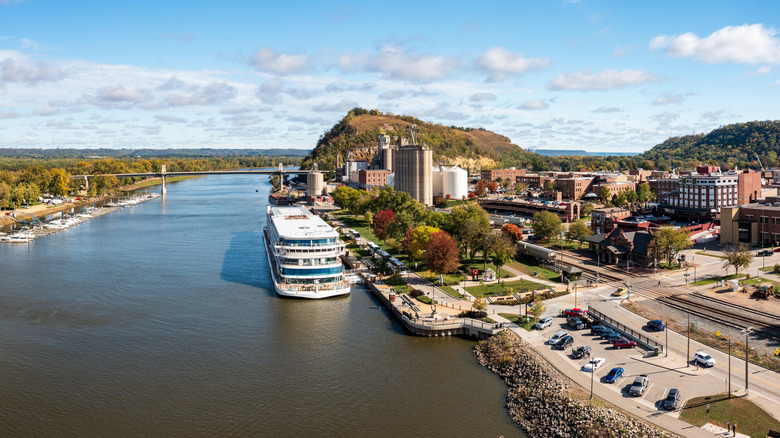
Positioned roughly an hour southeast of Minneapolis along the majestic Mississippi River, Red Wing is frequently cited as a quintessential representation of Midwestern community culture. Framed by towering bluffs and expansive waterways, the city is a haven for outdoor enthusiasts.
The most prominent natural landmark is He Mni Can-Barn Bluff, which rises sharply above the river valley and offers strenuous hiking trails rewarded by sweeping vistas of both Minnesota and neighboring Wisconsin. Down in the valley, Red Wing’s historic downtown features nineteenth-century brick storefronts, independent merchants, and specialized museums that document the region’s rich history in industrial pottery and manufacturing.
6. New Prague: Bohemian Heritage in the Heartland
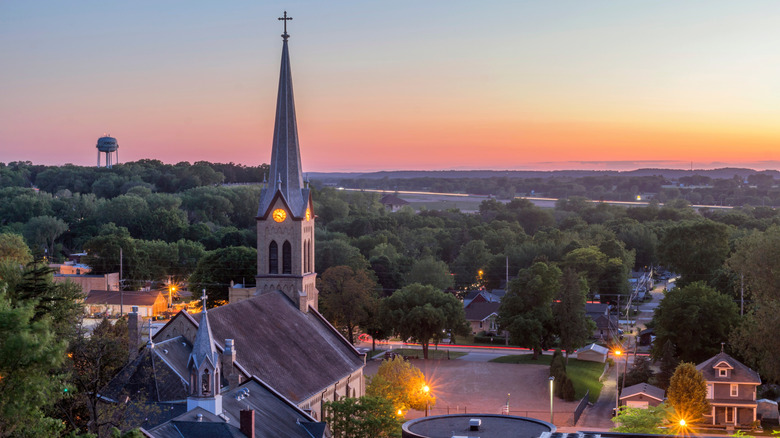
Situated a convenient fifty-minute drive south of Minneapolis, New Prague was settled predominantly by Czech (Bohemian) immigrants during the nineteenth century. This cultural infusion shaped the town’s enduring identity, visible in its civic celebrations, local bakeries, and community traditions.
The highly walkable downtown district invites leisurely exploration, featuring family-owned bakeries producing traditional pastries, local boutiques, and well-maintained historic facades. For those seeking active recreation, nearby Cedar Lake offers an expansive network of hiking and biking trails that wind through dense woodlands and tranquil wetlands, providing a seamless transition from cultural exploration to natural immersion.
7. Northfield: Academic Vibrancy and Historic Infamy
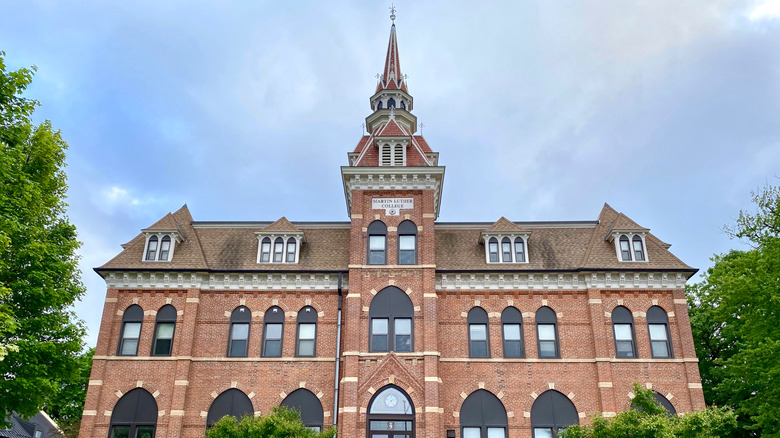
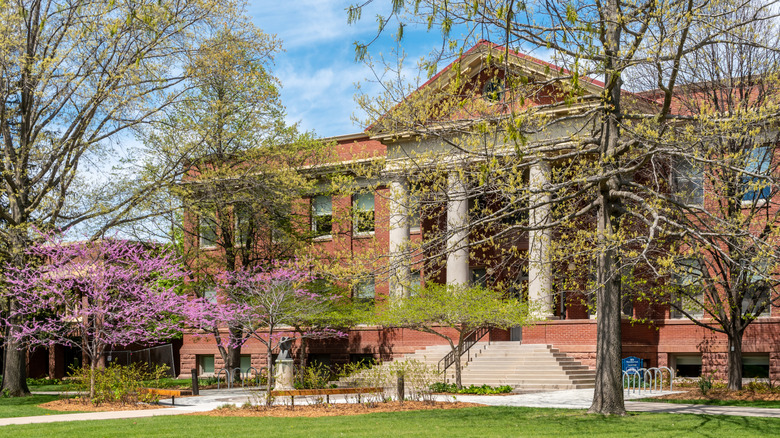
Located fifty minutes south of Minneapolis, Northfield combines intellectual energy with a deep-seated historical narrative. Home to both Carleton College and St. Olaf College, the city features stunning collegiate architecture, including the tranquil Japanese Garden at Carleton College, which is particularly striking when surrounded by blooming crabapple trees in the spring.
Beyond its academic credentials, Northfield is famous for its failed 1876 bank robbery by the notorious Jesse James gang—an event commemorated annually during the Defeat of Jesse James Days festival. Today, the town’s downtown corridor along the Cannon River offers vintage record stores, independent bookstores, antique shops, and cozy cafes, all connected by scenic walking paths.
8. Jordan: Small-Town Charm and Sweet Traditions
Positioned forty minutes southwest of Minneapolis, Jordan provides a quintessential small-town experience anchored by rich local history and unique regional attractions. The town is nationally famous as the home of Minnesota’s Largest Candy Store, a destination that draws sweet-tooth enthusiasts from across the Midwest with its massive inventory of confections and global soda selections.
Architecturally and historically, Jordan is defined by the ivy-clad ruins of the historic Jordan Brewery, which stand as a picturesque monument amid rolling, tree-lined hills. Visitors can stay at the Nicolin Mansion Bed and Breakfast, an immaculately restored late-nineteenth-century Queen Anne Victorian home that showcases the period’s elite craftsmanship while providing modern luxury accommodations.
9. Lindström: "America’s Little Sweden"
Located a forty-five-minute drive northeast of Minneapolis, Lindström is affectionately known as "America’s Little Sweden." Founded by Scandinavian immigrants who were drawn to the region’s striking resemblance to their homeland’s lake-dotted geography, the town fiercely embraces its Nordic heritage.
Downtown Lindström features specialty shops such as the Swedish Gift Store, alongside antique shops offering Scandinavian imports and vintage goods. The defining architectural icon of the city is its 105-foot-tall water tower shaped like an oversized coffee pot—a whimsical nod to the Swedish tradition of fika, which even produces realistic steam emissions twice daily during the summer months.
10. Afton: Riverside Recreation and Slope Adventures
Rounding out the regional tour is Afton, located a mere thirty-five minutes east of Minneapolis along the St. Croix River. Afton successfully bridges the gap between high-energy outdoor sports and relaxed, small-town hospitality.
During the winter months, the town transforms into a regional hub for winter sports at Afton Alps, offering extensive skiing and snowboarding terrain. In the warmer months, the St. Croix River attracts boaters, anglers, and kayakers. Following a day on the water or the slopes, visitors can explore Afton’s boutique-lined downtown, dine at local bistros, and visit Selma’s Ice Cream Parlor, recognized as Minnesota’s oldest continuously operating ice cream establishment.
Supporting Context & Regional Metrics
To contextualize the appeal of these ten destinations, it is necessary to examine the demographic and geographic framework that supports day-trip tourism in the Minneapolis-Saint Paul (Twin Cities) metropolitan area.
| Destination | Approximate Distance from Minneapolis | Primary Geographic Feature | Defining Cultural / Historical Anchor |
|---|---|---|---|
| Taylors Falls | < 60 minutes | St. Croix River / Basalt Cliffs | Interstate State Park / 1950s Drive-In |
| New Ulm | ~ 110 minutes | Minnesota River Valley | 1854 German Settlement / Glockenspiel |
| Stillwater | ~ 30 minutes | St. Croix River Gorge | Birthplace of Minnesota / Lift Bridge |
| Marine on St. Croix | ~ 45 minutes | St. Croix River Valley | Historic General Store / Stone House Museum |
| Red Wing | ~ 60 minutes | Mississippi River / Bluffs | He Mni Can-Barn Bluff / Pottery History |
| New Prague | ~ 50 minutes | Rolling Farmland / Cedar Lake | 19th-Century Czech Immigrant Heritage |
| Northfield | ~ 50 minutes | Cannon River Valley | Higher Education (Colleges) / Jesse James History |
| Jordan | ~ 40 minutes | Minnesota River Tributaries | Minnesota’s Largest Candy Store / Nicolin Mansion |
| Lindström | ~ 45 minutes | Glacial Lake Chain | Swedish Heritage / Coffee-Pot Water Tower |
| Afton | ~ 35 minutes | St. Croix River Valley | Afton Alps Ski Area / Selma’s Ice Cream Parlor |
Geographically, the clustering of these towns along the St. Croix and Mississippi river valleys is no accident. Historically, these waterways served as the primary transportation arteries for early explorers, loggers, and European immigrants. Today, they act as protected natural corridors, ensuring that rapid suburban development does not compromise the rural character of these communities.
Official Statements & Regional Tourism Insights
Regional tourism authorities and municipal leaders emphasize that the symbiotic relationship between Minneapolis and its surrounding small towns is vital to the state’s economic and cultural vitality.
According to regional economic development boards, day-trippers and weekend travelers from the Twin Cities metropolitan area provide a crucial economic engine for small-business owners, hoteliers, and restaurateurs in outlying counties. In statements highlighting regional mobility, tourism directors point out that the accessibility of these destinations—ranging from thirty minutes to under two hours of driving time—makes sustainable domestic travel highly viable for residents seeking respite without long-haul transit complications.
Furthermore, historic preservation societies across counties such as Washington, Chisago, and Goodhue stress that community-led conservation efforts are the primary reason these towns retain their nineteenth-century aesthetic integrity. Strict zoning laws and community investment in historic facade restorations have successfully insulated these main streets from homogenizing commercial development, preserving authentic local character for future generations.
Future Outlook
As the Minneapolis-Saint Paul metropolitan area continues to experience steady population growth and urban densification, the value of these nearby historic small towns is projected to rise significantly. Urban planners anticipate a growing demand for accessible, low-impact outdoor recreation and cultural tourism within a two-hour radius of the urban core.
To meet this anticipated demand without sacrificing the very qualities that make these destinations attractive, municipal leaders and conservation groups are increasingly prioritizing sustainable tourism models. Initiatives include expanding non-motorized trail networks—such as regional bike paths connecting river towns—and implementing resource management strategies to protect delicate ecosystems like the St. Croix National Scenic Riverway and the glacial formations of Taylors Falls.
Ultimately, the ten towns surrounding Minneapolis serve as a vital geographical and cultural counterweight to the urban energy of the "City of Lakes." Whether travelers seek the Germanic traditions of New Ulm, the literary and academic atmosphere of Northfield, or the quiet riverside elegance of Marine on St. Croix, Minnesota’s surrounding countryside offers an enduring testament to the rich tapestry of Midwestern history, community resilience, and natural beauty.