When international travelers picture Germany, distinct mental images inevitably emerge: the electric nightlife and political gravity of Berlin, the fairytale castles of Bavaria, or the half-timbered romanticism of the Rhine Valley. Yet, these classic itineraries frequently overlook one of the country’s most compelling geographic and cultural frontiers—its nearly 750 miles of northern coastline. Flanked by the bracing waters of the North and Baltic Seas, northern Germany’s industrial heritage and brisk maritime climate have historically deterred casual tourists.
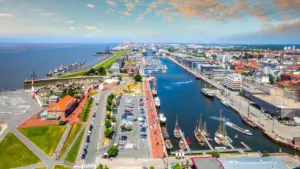
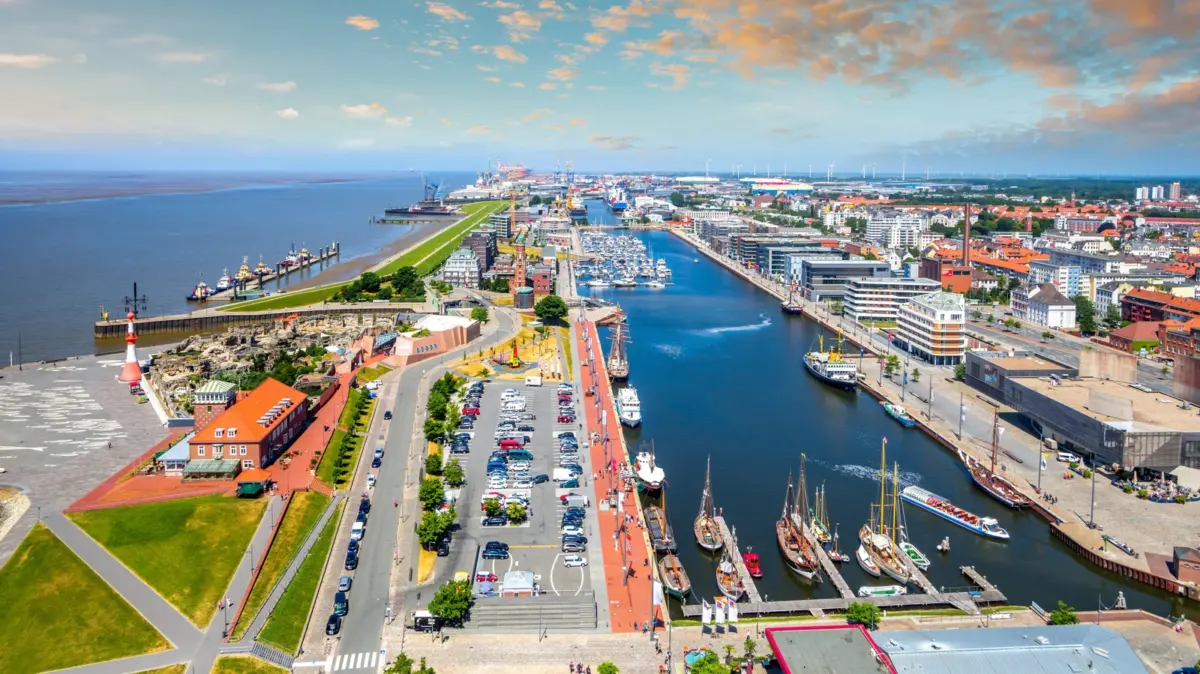
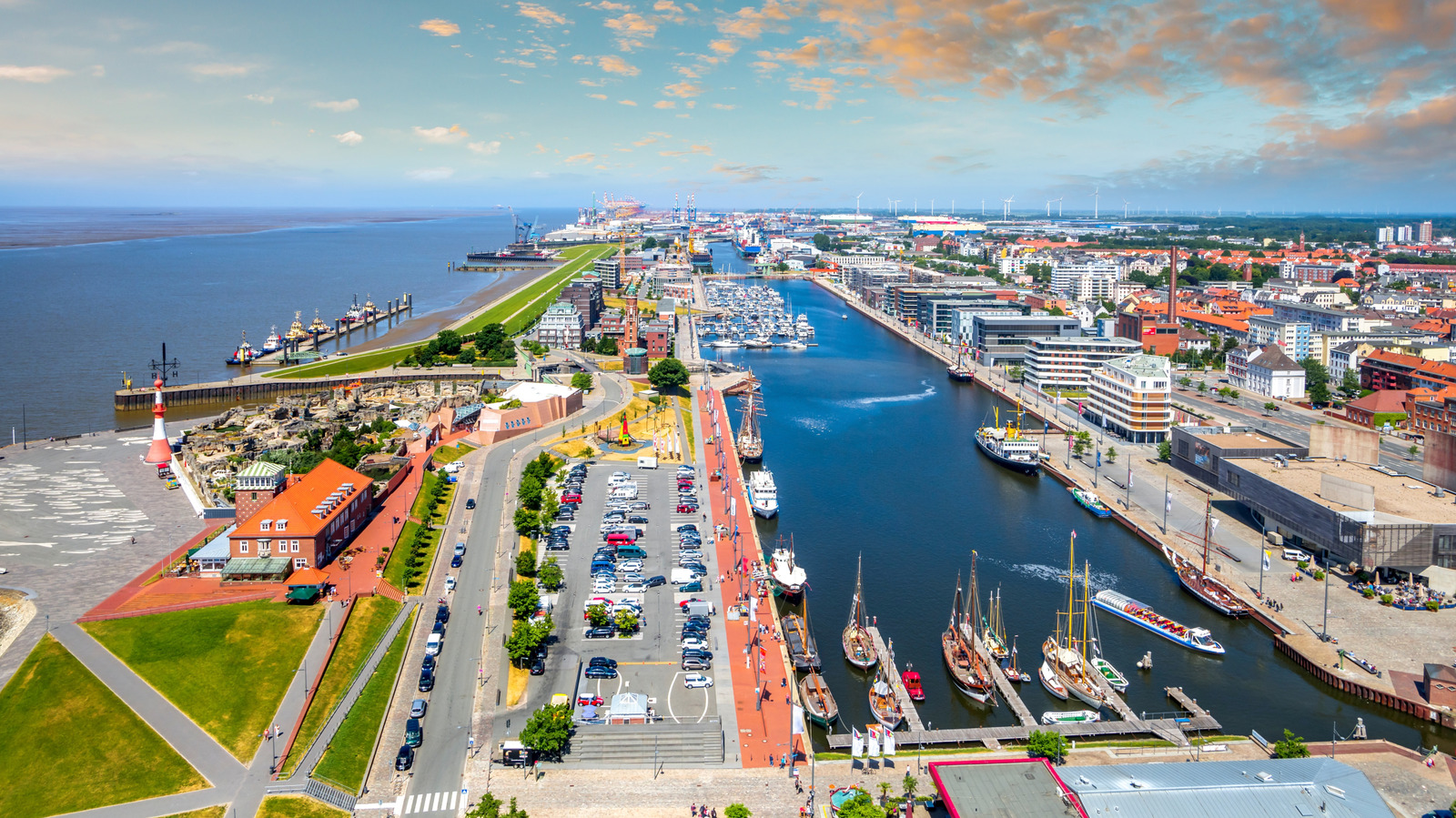
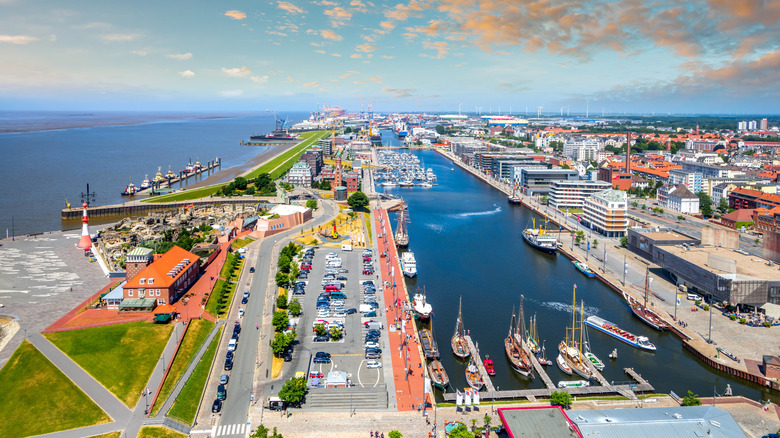
However, bypassing this region means missing out on Bremerhaven, a dynamic port city of approximately 120,000 residents located just two hours northwest of Hamburg. Founded in 1827 as a strategic outport for the nearby city of Bremen, Bremerhaven has evolved from a bustling cargo hub and nineteenth-century portal of mass emigration into a forward-thinking coastal destination. Today, it successfully marries maritime heritage with cutting-edge environmental science, family-friendly attractions, and a revitalized waterfront. Offering historic tall ships, world-class interactive educational spaces like the Klimahaus, and remarkably affordable accommodations, Bremerhaven stands out as an undiscovered gem for travelers seeking an authentic northern European coastal experience.
Detailed Chronology: From Emigrant Gateway to Modern Port
To fully appreciate modern Bremerhaven, one must understand the historical currents that shaped its rise. The city’s genesis is inextricably linked to trade, geography, and human movement.
[1827] ──> Foundation of Bremerhaven as Bremen's strategic maritime outport
  │
[19th-20th C.] ──> Serves as the primary departure point for millions of European emigrants bound for America
  │
[Post-WWII] ──> Heavy rebuilding focuses on modern containerization and industrial shipbuilding
  │
[21st Century] ──> Waterfront transformation: industrial berths evolve into recreational hubs and museums
  │
[2030] ──> Scheduled next edition of SAiL Bremerhaven, welcoming over 250 global vintage vessels
The 19th Century: Birth of an Outport
By the early 1800s, the Weser River was silting up, preventing large sea-going vessels from reaching the inland port city of Bremen. Recognizing the threat to trade, Bremen’s mayor purchased a tract of land at the mouth of the Weser from the Kingdom of Hanover. On this site, Bremerhaven (literally "Bremen’s Haven") was officially founded in 1827. Designed with expansive docks and deep-water access, the city quickly grew into a critical nexus for international trade and shipbuilding.
The Era of the Great Transatlantic Migration
Throughout the late 19th and early 20th centuries, Bremerhaven played a poignant role in global history. It functioned as the primary departure point for millions of European emigrants—including hundreds of thousands of Germans—seeking a new life in the Americas. Steamers docked along the quays, loading families who were leaving behind poverty and political upheaval. What was historically a port of tearful farewells has fundamentally shifted in the modern era; today, Bremerhaven welcomes hundreds of thousands of leisure travelers, cruise passengers, and maritime enthusiasts annually.
The Post-Industrial Rebirth
As global shipping containerized and shifted toward automated megaports in the latter half of the 20th century, Bremerhaven faced the classic post-industrial challenge. Rather than succumbing to urban decay, city planners executed a visionary waterfront revitalization project. Former cargo berths and dry docks were repurposed into recreational marinas, public promenades, cultural institutions, and educational science parks. This urban metamorphosis preserved the city’s architectural soul while creating a vibrant, pedestrian-friendly coastal playground.
For travelers venturing north from Hamburg, Bremerhaven delivers an enriching itinerary defined by distinct architectural landmarks, maritime traditions, and interactive institutions.
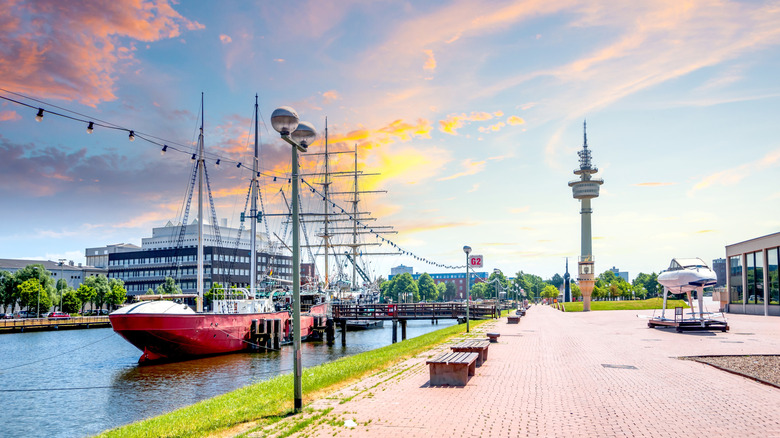
The legacy of 19th-century shipbuilding remains vividly alive along the Bremerhaven waterfront. Visitors are immediately greeted by the towering masts and intricate rigging of historic sailing vessels moored against crisp brick walkways. Among these is the Alexander von Humboldt II, a celebrated full-rigged ship traditionally utilized for sail-training expeditions.
This living maritime culture culminates every five years in SAiL Bremerhaven, one of Europe’s largest maritime festivals. During this multi-day event, more than 250 vintage tall ships and modern yachts glide into the harbor, drawing hundreds of thousands of spectators. Following its successful previous runs, the next major installment of SAiL Bremerhaven is slated for 2030, promising an unprecedented gathering of global maritime history.
Perhaps the most striking architectural and intellectual landmark in the city is the Klimahaus (Climate House). Rising along the downtown waterfront, the building’s sweeping, organic curves and central observation tower are intentionally designed to evoke a futuristic passenger vessel.
Inside, the Klimahaus operates as a world-class science park dedicated to climate change and environmental education. The facility takes visitors on an immersive journey across the Earth’s major climate zones along the 8th meridian east. Through multi-sensory, interactive exhibits, guests traverse simulated landscapes ranging from the scorching African Sahel to the freezing expanse of Antarctica. By showcasing living organisms, indigenous cultures, and stark data regarding human impact, the Klimahaus fosters deep environmental consciousness—aligning closely with the sustainability-minded tourism initiatives celebrated throughout northern German cities like Bremen.
Zoo am Meer (Zoo by the Sea)
Situated just a five-minute walk from the Klimahaus, the Zoo am Meer offers a complementary wildlife experience tailored for families and nature enthusiasts. Spanning roughly three acres within the port district, this compact, specialized zoo focuses primarily on water-loving and northern-climate fauna.
Designed with artificial rock formations that mimic natural coastal habitats, the zoo houses 47 distinct species. Its undisputed stars are the resident polar bears, whose expansive enclosure allows visitors to observe their aquatic agility through large underwater viewing glass. Because of its manageable size, the entire facility can be thoroughly explored in a single afternoon, making it an ideal inclusion for a day of sightseeing.
Logistics: Accessibility and Accommodations
Navigating to and within Bremerhaven is remarkably straightforward:
From Hamburg: Travelers can fly into Hamburg’s major international airport and catch a direct regional train to Bremerhaven Hauptbahnhof in as little as 90 minutes. For those preferring road travel, renting a car and driving via the A27 highway takes approximately two hours.
Local Transit: The central train station sits just over a mile from the waterfront, allowing for an easy 30-minute walk or a 10-minute taxi ride to the main attractions.
Accommodations: Unlike congested tourist hotspots in southern Germany or major European capitals, Bremerhaven offers highly competitive lodging rates. Quality accommodations directly along the waterfront frequently cost the equivalent of under $100 USD per night, depending on the season.
Culinary Scene: Dining options are heavily anchored by fresh North Sea catches and maritime traditions. Highly rated establishments like the Restaurant Schiffergilde (Mariners’ Guild) offer business-casual atmospheres, robust seafood menus, and sweeping views of the active harbor.
Official Statements and Expert Perspectives
Urban planners, tourism boards, and international travel experts increasingly view Bremerhaven as a blueprint for post-industrial port regeneration.
"Bremerhaven proves that the narrative of northern German coastal cities is undergoing a profound evolution," notes a regional tourism development spokesperson. "We are no longer defined solely by heavy industry and cold seas. By pivoting toward immersive education, maritime heritage preservation, and sustainable urban design, we have created a destination that resonates with modern travelers seeking depth over superficial sightseeing."
Environmental educators at the Klimahaus emphasize the urgency of their mission within an urban coastal setting:
"Being right on the North Sea coast places us on the front lines of climate discussions," states a senior Klimahaus curator. "Our exhibits do not merely lecture visitors about abstract statistics; they place individuals directly inside simulated ecosystems so they can physically feel the stakes of environmental stewardship. Cities like Bremerhaven have a historical duty to lead this conversation."
Travel logisticians also highlight the cost-effectiveness and ease of access for international visitors seeking to venture off the beaten path:
"When advising clients who have already experienced Berlin and Munich, we consistently point them northward," shares a European rail travel consultant. "Taking a comfortable, high-speed regional train from Hamburg straight to Bremerhaven’s doorstep provides an effortless, budget-friendly escape that bypasses the tourist crowds while offering world-class culture."
Future Outlook
As European tourism increasingly searches for sustainable, less-congested alternatives to over-touristed capitals, Bremerhaven is exceptionally well-positioned for future growth. The city’s ongoing investments in green architecture, educational infrastructure, and maritime event planning signal a clear trajectory toward becoming northern Germany’s premier coastal hub.
Looking ahead toward the end of the decade, municipal planners are heavily focused on preparations for SAiL Bremerhaven 2030, which is expected to inject millions of euros into the local economy and draw international media attention. Simultaneously, ongoing upgrades to the city’s green spaces, bicycle networks, and climate-neutral public transit initiatives will further cement its reputation as an eco-conscious destination.
For the discerning traveler willing to look beyond Bavaria’s fairy tales and Berlin’s urban pulse, Bremerhaven offers a refreshing maritime synthesis: a place where 19th-century tall ships anchor beside 21st-century science centers, and where the bracing air of the North Sea invites deep historical reflection and modern discovery alike.